
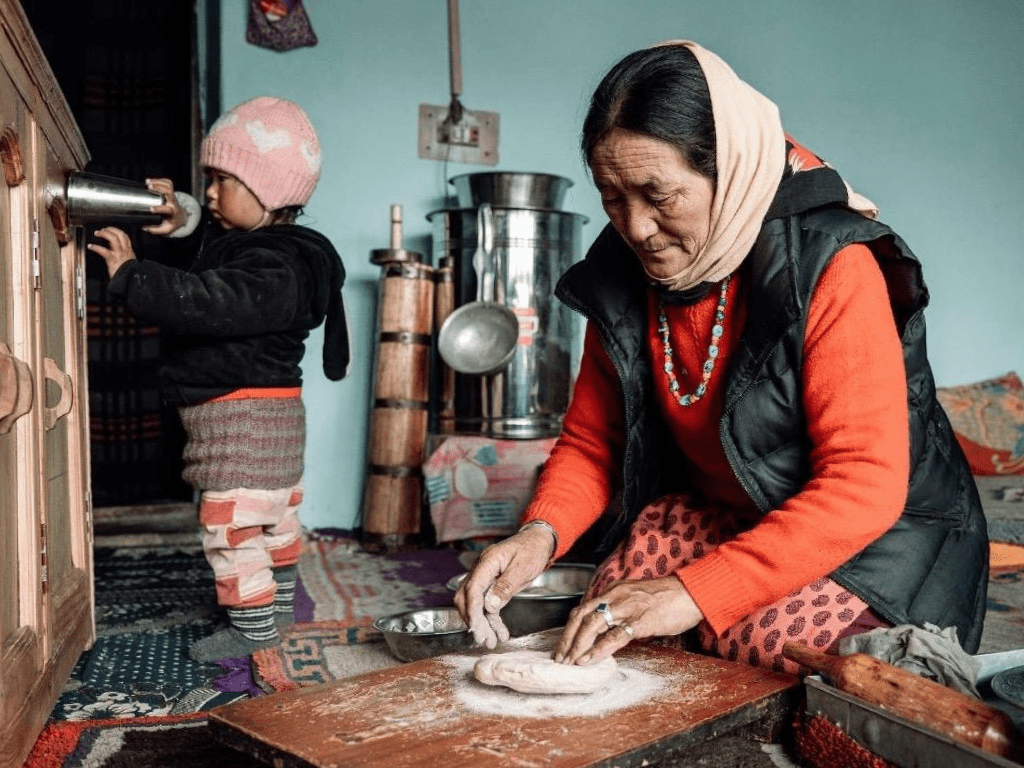
Homestay tourism has the power to do much more than offer accommodation. When developed thoughtfully, it strengthens rural economies, protects cultural heritage and creates meaningful connections between travelers and host communities. In tribal regions, homestays become a bridge between traditional lifestyles and sustainable tourism, ensuring that communities remain the true beneficiaries of travel.
Our experience working with tribal communities across Meghalaya (Garo people), Ladakh (traditional Ladakhi families) and Maharashtra (Adivasi tribes) shows that homestays succeed only when communities are at the heart of planning, decision-making and operations.
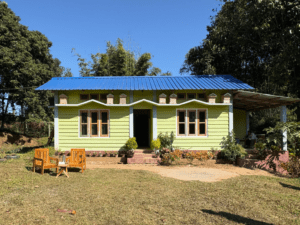 A traditional homestay in Meghalaya
Value of Homestays
In many tribal regions, livelihood options are limited and often seasonal. Homestays create an additional source of income without forcing families to leave their land, homes or cultural roots. They allow communities to earn while continuing their traditional way of life with dignity and independence.
Homestays also play a strong role in preserving culture. They help protect local food traditions, indigenous architecture, farming practices, forest-based livelihoods and everyday cultural stories that are slowly disappearing in many regions.
In Meghalaya, guests learn about forest living and farming from Garo families. In Ladakh, traditional homes and shared meals show the realities of life in high-altitude villages. In Maharashtra, Adivasi communities introduce travelers to forest walks and indigenous cooking styles that reflect deep knowledge of nature.
These experiences transform simple village life into a meaningful and authentic travel story, where culture is not performed but naturally lived and shared.
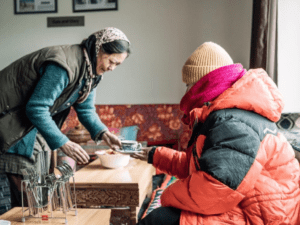 A Ladakhi host serving traditional butter tea
Building Tribal Homestays
1. Trust Before Tourism
Every successful homestay starts with trust. Strong relationships, open conversations and understanding community expectations must come before any planning, construction or promotion. When communities feel heard and respected, they naturally become partners in tourism rather than just hosts.
2. Authentic Homes
Homestays should remain real homes, not hotels. Only essential upgrades like clean toilets, safe bedding and basic hygiene facilities are needed. Traditional architecture, daily routines and lifestyle should stay untouched to protect the true cultural experience.
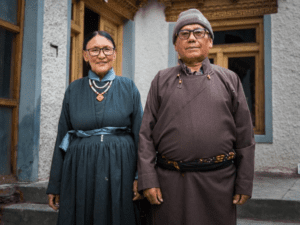 A local Ladakhi host couple at their homestay
3. Practical Training
Training must be simple, useful and easy to apply. It should focus on hygiene, basic guest communication and everyday hospitality operations. The goal is to build confidence and independence, not create complicated systems.
4. Community Destinations
Homestays work best when they are part of a larger experience. Village walks, local food, crafts, cultural activities and nature trails turn a stay into a complete destination journey, making tourism more meaningful for both guests and communities.
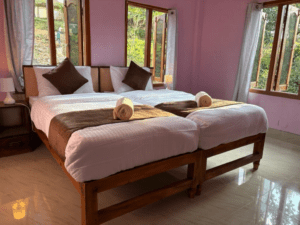 A cozy homestay setup in Meghalaya
Homestay Challenges
1. Irregular Income
Tourism is seasonal, and guest flow changes throughout the year. This makes earnings uncertain, so it is important to set realistic expectations and help communities plan beyond tourism alone.
2. Limited Connectivity
Remote locations often have poor roads, weak internet and transport issues. These challenges affect both guest experience and smooth day-to-day operations.
3. Cultural Differences
Different lifestyles, food habits, privacy needs and daily routines can create misunderstandings. Clear communication helps build mutual respect and comfort for both hosts and travelers.
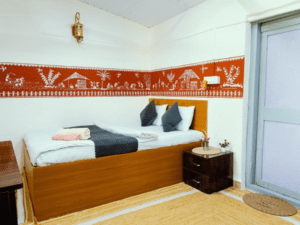 A homestay featuring Warli paintings in Maharashtra
Lasting Impact
When developed responsibly, community homestays create deep and lasting change. They encourage youth to stay back and build livelihoods in their own villages, helping reduce migration and strengthen local economies. At the same time, cultural traditions are preserved, respected and passed on with pride.
For travelers, homestays offer understanding beyond photographs. They create space for real connection, learning and appreciation of different ways of life. Villages gain visibility and opportunity without losing their identity or being forced to change who they are.
Destination development, in this sense, is not about fast or uncontrolled growth. It is about balanced, community-led progress that protects heritage, supports livelihoods and allows tourism to grow at a pace that feels right for the community.
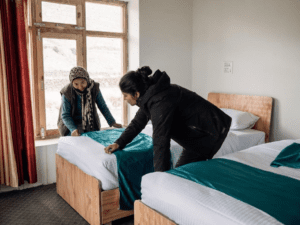 Setting up a homestay
A Future Rooted in Community
Building homestay tourism with tribal communities is a slow, respectful and collaborative journey. When communities take the lead and tourism adapts to local rhythms, homestays become powerful tools for sustainable livelihoods, cultural preservation and responsible destination development. They protect traditions while creating meaningful economic opportunities.
This model ensures that tourism grows at a pace communities are comfortable with, benefiting both hosts and travelers, while safeguarding the identity of India’s tribal regions. If you wish to experience this form of responsible travel and explore authentic community-led homestays, visit the Mountain Homestays website and discover destinations where tourism truly supports people and place.